What we do
CPR training - Heartbeat
{{articleInView.title}}
The Lloyd Morrison Foundation Heartbeat CPR training programme
Every week, an average of four to five people suffer a sudden cardiac arrest (when the heart suddenly and unexpectedly stops beating normally) in Wellington and Wairarapa. A sudden cardiac arrest can happen to anyone at any time which is why it’s important you know how to do cardiopulmonary resuscitation (CPR) and how to use an automated external defibrillator (AED). Learn these potentially lifesaving skills, free of charge, by booking a Lloyd Morrison Foundation Heartbeat training session.
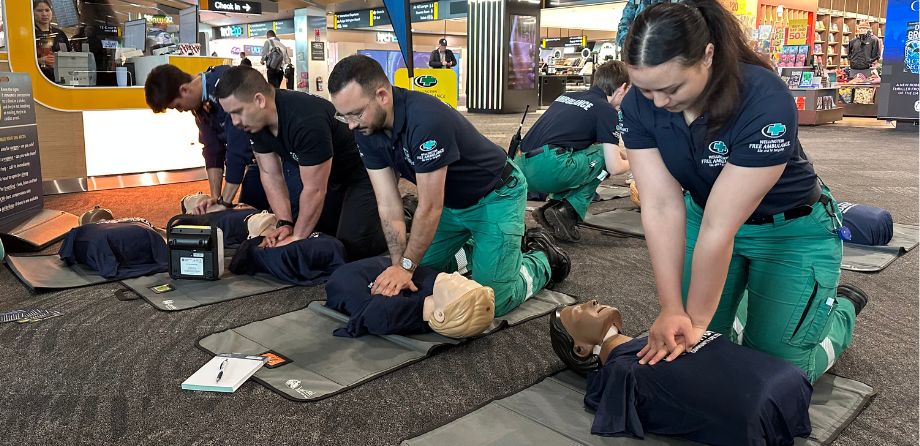
If someone experiences a sudden cardiac arrest, for every minute without CPR or defibrillation, their chance of survival falls by 10–15 percent. However, bystander CPR more than doubles their chances of survival (2.8 times), as does the use of a community-access AED (2.3 times).*
As a community, we can help save lives.
Book a free Heartbeat CPR training session
Wellington Free Ambulance provides community CPR training, including how to use an AED, free of charge thanks to the generosity of Cornerstone Partner Julie Nevett and The Lloyd Morrison Foundation.
Through The Lloyd Morrison Foundation Heartbeat Programme, we teach families, schools, businesses, and community groups crucial CPR and AED skills that can help them save a life.
The Lloyd Morrison Foundation Heartbeat Programme is a fun, interactive session that gives you the basic skills that could help save a life in the event of a sudden cardiac arrest. You’ll learn everything you need to know in less than 90 minutes. This includes:
- What to do in an emergency.
- How to recognise someone in sudden cardiac arrest and how to perform CPR.
- Where to find an AED and how to use it.
- About the GoodSAM Responder App.
Knowing CPR means you could save the life of a friend, a colleague, a member of your whānau, or someone on the street.
To book a Heartbeat training session please fill out the online booking form below. Any questions can be directed to the team by emailing heartbeat@wfa.org.nz.
Booking form
Where to find or buy an AED
It’s the combination of CPR with the use of an AED that really makes a difference to someone’s chances of surviving a sudden cardiac arrest - using an AED before the emergency ambulance crew’s arrival more than doubles (2.3 times) survival rates. That’s why it’s good to know where your nearest AED is!
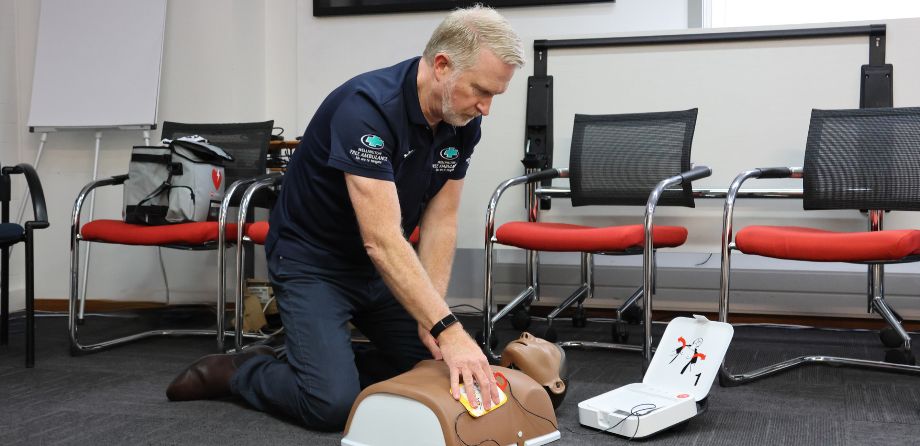
An AED is a completely automated and portable device that can deliver a lifesaving shock to someone’s heart in the case of sudden cardiac arrest. There are over 500 community AEDs around our region, but our communities need more.
Find out more about buying an AED for your workplace, school, or community on our Buy an AED page or contact the team by emailing heartbeat@wfa.org.nz.
To see where your nearest AED is, visit aedlocations.co.nz, or download the app onto your phone. It’s completely free.
GoodSAM Responder App
GoodSAM helps connect incidents of sudden cardiac arrest with those nearby who can help until our ambulance crew arrives.
The GoodSAM Responder app alerts CPR-trained members of the public to incidents of sudden cardiac arrest close by, allowing them to respond and provide good quality CPR before our crews and other emergency services arrive.
By alerting responders, GoodSAM connects those in need with those who have the skills to provide critical help. To become a GoodSAM member and to download the free app, visit GoodSAMapp.org.