About us
Our news
Wellington Free Ambulance responds to demand across Greater Wellington and Wairarapa
Wellington Free Ambulance responds to demand across Greater Wellington and Wairarapa
 26 August 2026
Wellington Free Ambulance is continuing to manage sustained high demand for emergency ambulance services, with pressure remaining elevated.
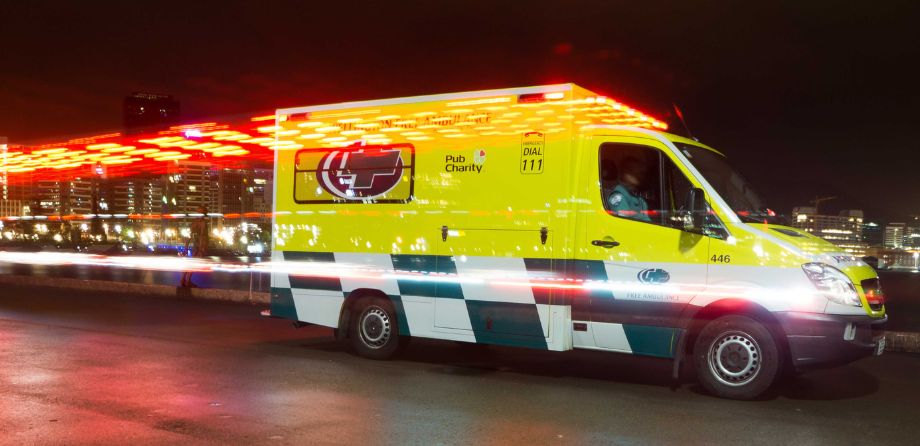
From 17 to 23 August 2026, Wellington Free Ambulance attended 1,253 incidents, compared with 1,199 incidents during the previous week from 10 to 16 August. An increase of 4.5%.
This follows a period of consistently high demand across the Wellington and Wairarapa region, placing additional pressure on ambulance crews and the wider health system.
“Wellington Free Ambulance continues to experience high volumes of emergency 111 calls. The most common reasons for requesting an ambulance during this period have included referrals from health practitioners, chest pain, breathing difficulties, falls, and illnesses such as fever and infections, which is typical during the colder months.
“We want to reassure our communities that our emergency ambulance services remain available, and we are continuing to respond to people who need our help. We remain committed to ensuring patients receive the right care, at the right time, in the right place, and from the right healthcare professional.
“We continue to prioritise serious and life-threatening emergencies. For people with less urgent conditions, our dedicated team of Clinical Paramedic Advisors within the Clinical Hub provides clinical advice over the phone and helps connect patients with the most appropriate care. This can include referrals to other healthcare providers and community health services when an ambulance response is not required,” says Executive Medical Director Dr Erica Douglass.
“As winter illnesses continue to impact our communities and place pressure on health services, we encourage people with non-life-threatening conditions to consider alternative options for medical treatment and advice, such as contacting their GP, visiting an after-hours medical centre, or calling Healthline.
“However, anyone experiencing chest pain, difficulty breathing, symptoms of a stroke, or serious accident-related injuries should call 111 immediately. These are time-critical emergencies where prompt ambulance care can save lives and improve outcomes, and we want to ensure we are available for those who need us most,” says Dr Douglass.
Wellington Free Ambulance is also continuing to work closely with Health New Zealand and hospital teams to support patient flow and manage periods of high demand.
Delays handing over patients at hospital can mean ambulance crews remain committed for longer, reducing the number of ambulances available to respond to other emergencies in the community.
Not every 111 call requires an ambulance, and not every ambulance attendance results in transport to an emergency department. Depending on the circumstances, patients may receive clinical advice or be supported to access another appropriate healthcare service.
For non-emergency health concerns, people are encouraged to seek advice early through their GP, an online GP service, pharmacist or Healthline on 0800 611 116.
We also ask people to treat our call takers, dispatchers, paramedics and other frontline teams with patience and respect. They are working incredibly hard to care for patients and support our communities.
Wellington Free Ambulance will continue to monitor demand, ambulance availability, workforce capacity and wider health-system pressures and adjust its response as required.
Notes for the editor
Wellington Free Ambulance demand
How many incidents did Wellington Free Ambulance attend from 17–23 August?
- Monday 17 August: 178 incidents
- Tuesday 18 August: 176 incidents
- Wednesday 19 August: 172 incidents
- Thursday 20 August: 181 incidents
- Friday 21 August: 194 incidents
- Saturday 22 August:176 incidents
- Sunday 23 August: 176 incidents
How many incidents did Wellington Free Ambulance attend from 10–16 August?
- Monday 10 August: 172 incidents
- Tuesday 11 August: 168 incidents
- Wednesday 12 August: 168 incidents
- Thursday 13 August: 193 incidents
- Friday 14 August:181 incidents
- Saturday 15 August: 167 incidents
- Sunday 16 August: 150 incidents
How is Wellington Free Ambulance managing hospital handover delays?
Winter brings increased demand across the health system, and Wellington Free Ambulance is seeing this reflected in the number and complexity of patients requiring emergency ambulance care.
At times, ambulance crews experience delays handing over patients at hospital emergency departments. These delays can mean crews remain committed at hospital for longer and are therefore unavailable to respond to another emergency in the community.
Patient safety remains paramount. Ambulance crews continue to assess, treat and monitor patients until their care is safely transferred to hospital staff.
Wellington Free Ambulance works closely with Health New Zealand and hospital teams to support patient flow and manage periods of high demand.
About Wellington Free Ambulance
Wellington Free Ambulance provides emergency ambulance services across the greater Wellington and Wairarapa region.
Wellington Free Ambulance is the only emergency ambulance service in New Zealand that is free to the patient, thanks to the support of government funding, community fundraising and support from the community.